Auntie Svg Review
First Impressions of Auntie Svg
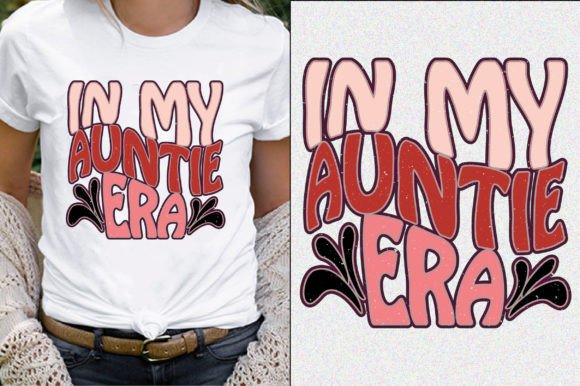
From the moment I opened the files for Auntie Svg, it was clear this design has a warm, inviting personality. The shape is clean and balanced, with a soft, friendly layout that feels approachable. The detail level is just right—enough to add character without overwhelming the eye. It’s a design that evokes a sense of nostalgia, making it perfect for handmade products that aim to feel personal and meaningful.
The theme is simple but effective, ideal for items like baby clothes, personalized gifts, or holiday decorations. It doesn’t shout for attention but commands respect through its elegance and subtlety. This makes it a great fit for custom apparel, embroidered patches, or even digital product previews.
Real-World Embroidery Use Cases
When considering how Auntie Svg would perform in real embroidery projects, it’s important to think about where it would shine. For instance, if I were working on a custom tote bag design, this would be an excellent choice. Its size and structure make it suitable for a medium-sized hoop, allowing for clear stitching without overcrowding the space.
For sweatshirt embroidery, the design would look great with a solid color thread that contrasts well with the fabric. If I were creating a baby onesie, I’d want to ensure the stitch density isn’t too heavy, as that could make the fabric stiff. A lighter fill stitch would work better here, keeping the garment comfortable while still maintaining visual appeal.
On a cap or hat, the design would need careful placement to avoid stretching or distortion. A proper stabilizer is essential here, especially if the fabric is stretchy or thin. The same goes for embroidered aprons or kitchen towels—stabilizer is key to preventing puckering or shifting during the stitching process.
Where to Be Cautious With Auntie Svg
While Auntie Svg is versatile, there are some situations where it might not perform as well. Small hoop sizes could limit the design’s full potential, especially if it includes intricate details. On textured fabrics, the design might not sit as smoothly, so testing on a scrap piece first is always a good idea.
Thin or stretchy fabrics can also be tricky. If I were using this on a delicate material, I’d want to adjust the stitch density and use a heavier stabilizer to prevent the design from becoming distorted. Dark fabrics might require a different thread color to ensure visibility, and layered garments could complicate the stitching process if not handled properly.
Detailed corners or tiny lettering might not come out as crisp as expected, depending on the machine settings. It’s worth testing the design in black and white mockups to see how it translates before committing to a final project.
Impact on Visual Appeal and Customer Perception
Auntie Svg has the potential to elevate any handmade product or commercial embroidery project. Its clean lines and thoughtful composition make it visually appealing, which is crucial for customer trust and brand consistency. When used on personalized gifts or boutique merchandise, it adds a touch of professionalism that customers appreciate.
For Etsy sellers or small shop owners, this design could be a valuable addition to their product lineup. It’s versatile enough to fit into various niches, from nursery decor to holiday gifts. The ability to use it in sublimation products or printable mockups also expands its utility, making it a flexible asset for digital product sellers.
When presented well, Auntie Svg can enhance the perceived value of a finished product. Whether it’s a custom embroidered patch or a decorative pillow cover, the design contributes to a polished, cohesive look that resonates with buyers.
Practical Designer Notes for Using Auntie Svg
As a designer, my first step with any new embroidery file is to test it on scrap fabric. This helps me understand how the stitches will lay and whether the design needs adjustments. For Auntie Svg, I’d start by checking the thread color contrast against different fabric backgrounds to ensure visibility and clarity.
Reviewing the stitch density is another critical step. If the design is too dense, it could cause the fabric to pucker or become uncomfortable. Adjusting the density based on the project’s requirements can make a big difference in the final outcome.
Confirming the correct hoop size is also important. If the design is too large for the hoop, it might not stitch properly. Checking the design’s dimensions against the machine’s capabilities ensures a smooth process.
Inspecting small details is another area to focus on. Tiny elements like corners or lettering might not stitch as intended, so a close-up check is necessary. Testing the design in both light and dark mockups can help identify any issues before production.
Proper stabilizer use is essential, especially on challenging fabrics. It prevents shifting and maintains the design’s integrity. Lastly, confirming licensing terms before selling finished items or digital products is a must to avoid any legal complications.
Conclusion: Auntie Svg in Action
Overall, Auntie Svg is a reliable and adaptable design that can fit into a wide range of embroidery projects. Whether you’re working on custom apparel, baby items, or small business merchandise, it offers a balance of style and practicality. Its clean aesthetic and manageable complexity make it a great choice for both hobbyists and professionals.
By taking the time to test and adjust the design for each specific project, you can ensure that Auntie Svg delivers the quality and visual appeal your customers expect. As a designer, I’d definitely recommend this file for those looking to add a touch of warmth and craftsmanship to their handmade products or commercial designs.