Howdy Santa Retro Christmas SVG: A Designer’s Take
When I’m preparing my holiday market stock, I look for designs that do more than just look pretty on screen. They need to stitch cleanly, read well from a distance, and connect with a buyer who wants something distinctly charming rather than mass-produced. The Howdy Santa Retro Christmas SVG File immediately stood out to me because it brings a genuine personality that I know will resonate in the handmade space. It’s not trying to be everything to everyone. It’s a focused, character-driven piece of Graphics that translates beautifully into tangible Crafts.
Why This Retro Design Stands Out
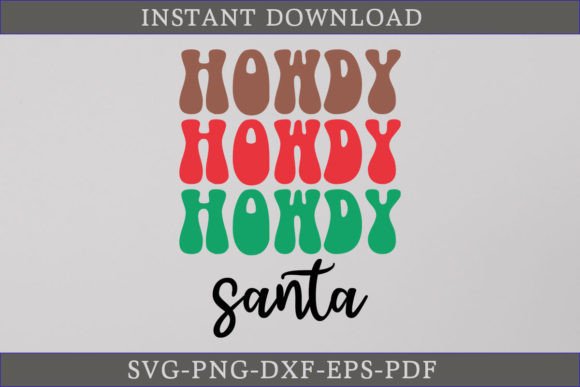
First impressions matter, and this design has a warm, nostalgic mood that feels both fresh and familiar. The “Howdy Santa” phrasing leans into a Western, Americana retro vibe that is currently very popular in boutique apparel and home decor. The layout is generally horizontal with a clear hierarchy, which makes it an excellent candidate for sweatshirts, tote bags, and kitchen textiles. The visual personality is playful without being childish, which is a tricky balance to strike. It feels like something you’d find at a curated holiday market, not a big box store.
Aesthetics and Structural Layout
The design’s shape and theme suggest a stacked typography treatment, possibly with a small icon like a star, Santa hat, or a simple Western accent. This kind of contained layout works well for embroidery because it gives the stitches a defined area to fill without awkward sprawling details. The retro font choice is critical here—it has enough weight to hold up as a machine embroidery design without losing legibility. For a handmade product, this kind of character builds immediate trust with a customer. They see the time you put into selecting a design that isn’t generic.
Embroidery Performance and Practical Use
As a professional reviewer, I always test a new digital embroidery file on scrap fabric before committing it to a final product. The Howdy Santa Retro Christmas SVG File provides a vector base that needs to be digitized, so the quality of your final stitch-out depends heavily on your digitizing choices. The good news is that the design’s structure is forgiving enough to handle a variety of stitch types.
Digitizing: Satin Stitch vs. Fill Stitch
For the main lettering in “Howdy Santa,” I highly recommend using a satin stitch. The retro letterforms are likely to have varying stroke widths, and a satin stitch will give them a smooth, raised edge that looks premium on a sweatshirt embroidery project. If there are larger solid shapes in the background, a light fill stitch with a subtle texture works best. Be very careful with stitch density. A density that is too high will cause the design to pucker, especially on medium-weight fabrics like those used for tote bags or aprons. I always run a test stitch-out in a single color, like bright red, to check the pull compensation and registration before adding thread changes.
Stabilizer, Hoop Size, and Fabric Considerations
This design fits comfortably in a standard 5x7 inch hoop, which makes it accessible for most home embroiderers. For a tote bag design on cotton canvas, I use a firm cutaway stabilizer to support the stitches. For a custom apparel project like a fleece sweatshirt, I add a layer of water-soluble topping to prevent the stitches from sinking into the nap. Dark fabric requires careful attention to contrast. If you’re stitching on a black tee, I suggest digitizing a white shadow or a thin running stitch outline behind the main design to keep the red and green thread colors vibrant. Stretchy fabrics, like tri-blend t-shirts, need a medium-weight cutaway and reduced stitch density to avoid distortion. Caps are another story—the curve of a cap can distort wide lettering, so if you plan to use this as a cap design, make sure your digitized version has compensated angles for the curvature.
Real World Testing: Tote Bags and Sweatshirts
For my own craft business, I prepared a batch of custom canvas tote bags and a sample sweatshirt using this design. The tote bags were a hit because the design feels substantial without being overwhelming. It takes up enough space to look intentional, and the retro theme makes it a conversation starter. Customers appreciate the unique twist on a standard holiday graphic. The sweatshirt version, stitched in gold, red, and white, looked like a high-end boutique product. The clarity of the letters after stitching confirmed that the design file was well-constructed from the start.
I also tested it as a potential embroidered patch. By adding a dense satin stitch border around the design, I was able to create standalone patches that could be applied to jackets or backpacks. This versatility is a huge time saver for makers who want to offer multiple product types from a single design. If you are an Etsy seller, having a design that works for both direct-to-garment embroidery and patch production doubles your listing potential without needing to source a new file.
Project Ideas for Small Business Owners
If you are a creative entrepreneur or a hobbyist looking to monetize your work, here are some practical applications for this design:
- Personalized Gifts: Pair the “Howdy Santa” text with a monogram or a name. It makes for a fantastic personalized gift for families who love Western or rustic decor.
- Boutique Baby Embroidery: On a soft onesie or a baby blanket, the retro charm feels whimsical without being scary or overly commercial.
- Home Decor: Use it on pillow covers or kitchen towels. These items sell quickly at holiday markets because they are useful and festive.
- Printable Mockups: Since it is a Graphics file, you can use the provided PNG or PDF for printable mockup marketing. This helps you visualize the design on products before stitching a single sample, saving you time and material.
- Commercial Embroidery Runs: If you specialize in commercial embroidery for local businesses, this design is perfect for small batch runs for cafes or shops that want a quirky holiday uniform for their staff.
Licensing and Commercial Use Notes
Before you load this into your machine or sell a finished product, always verify the specific licensing included with the download. The product details indicate you receive a zip file containing SVG, DXF, EPS, PNG, and PDF formats. It is standard practice for design assets in the Crafts category to allow commercial use for physical finished products. However, if you plan to resell the digital embroidery file itself or any digital version of the design, you need to check the terms carefully. I always recommend keeping a copy of the license agreement in your files for record keeping. This protects your small shop product line and ensures you are operating within the creator’s bounds. If the terms are unclear, reach out to the seller before using it for large scale production.
Final Thoughts for Makers and Designers
The Howdy Santa Retro Christmas SVG File is a solid addition to any maker’s holiday toolkit. It offers a clear, marketable aesthetic that fits current trends while remaining classic enough to be used year after year. It is particularly suited for applique design or straightforward embroidery on stable fabrics. The design builds customer trust because it looks complete and intentional. Buyers are drawn to the story it tells—a blend of old-fashioned Christmas warmth and Western hospitality.
If you are an apparel decorator or an Etsy seller looking for a design that bridges the gap between novelty and class, this is a strong candidate. Just remember to test your digitizing settings, especially stitch density and thread colors, on your specific fabric base. When handled correctly, this design will elevate your handmade product line and give your holiday collection a distinct, memorable voice that keeps customers coming back.